Sep 21, 2026pneumatic fittings
Pneumatic Fittings and Cylinders for Automated Assembly Lines
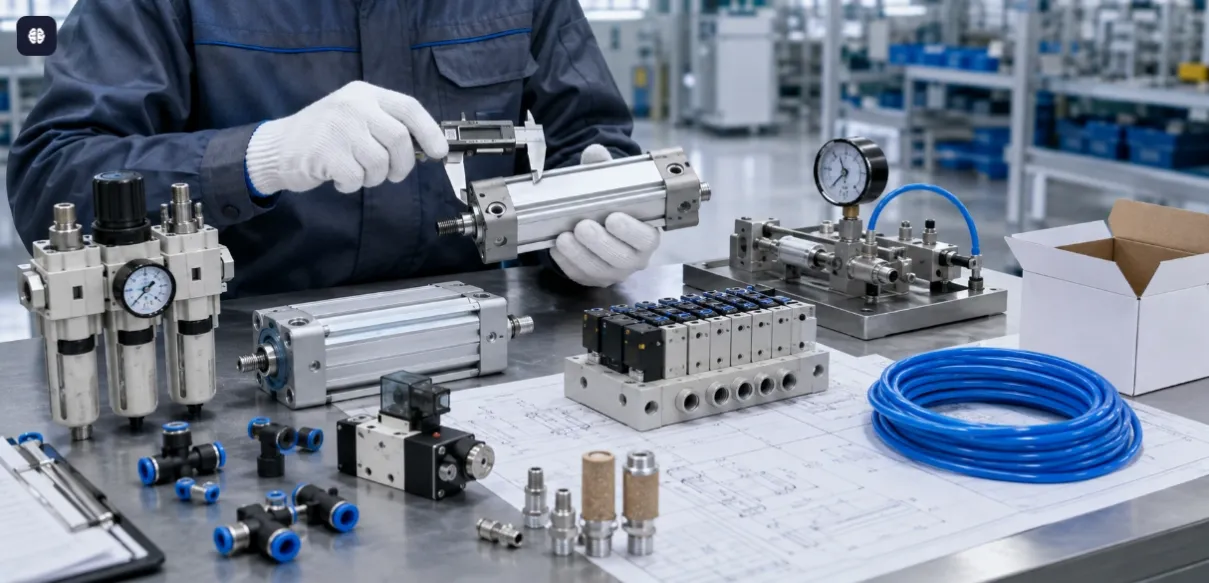
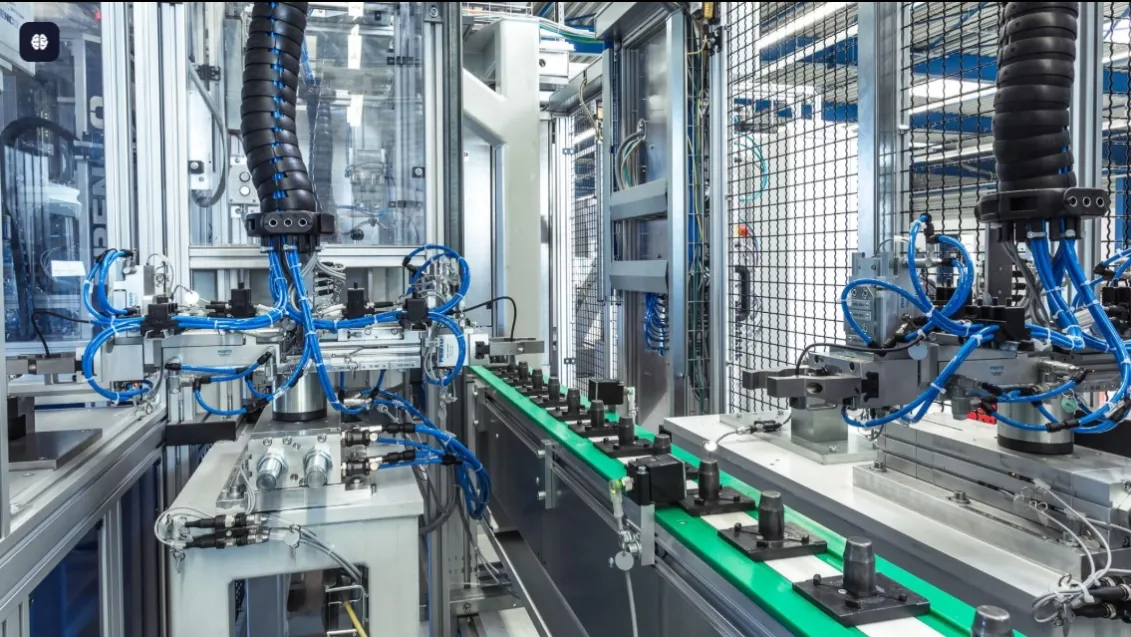
Pneumatic cylinders and push-in fittings working together in a modern automated assembly line, delivering precise motion control, reliable air connections, and high production efficiency.
Pneumatic Fittings and Cylinders for Automated Assembly Lines
Automation has become the backbone of modern manufacturing. Whether producing automotive components, consumer electronics, medical devices, or household appliances, automated assembly lines rely on pneumatic systems to achieve high speed, precision, and repeatability. Among all pneumatic components, cylinders and fittings play a particularly important role. Choosing the right products can improve production efficiency, reduce downtime, and lower maintenance costs over the long term.
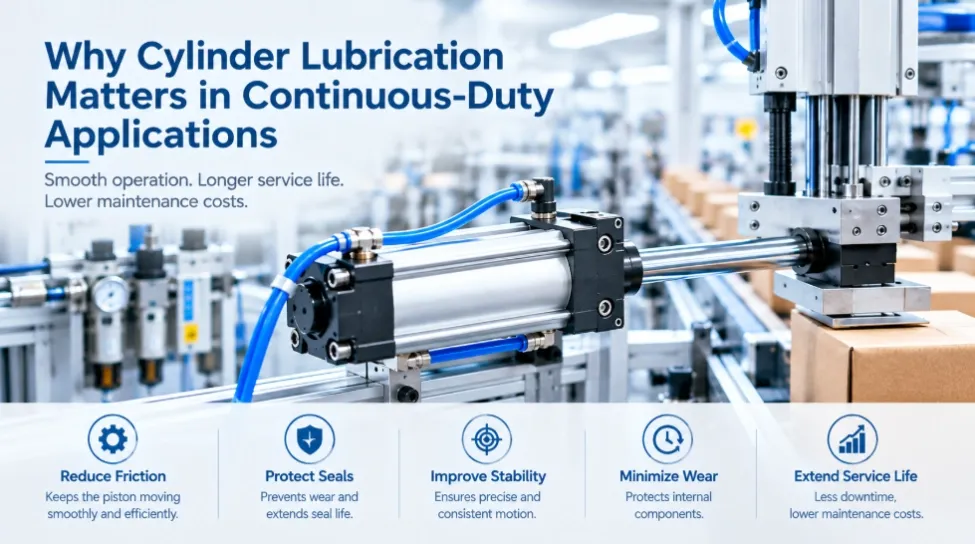
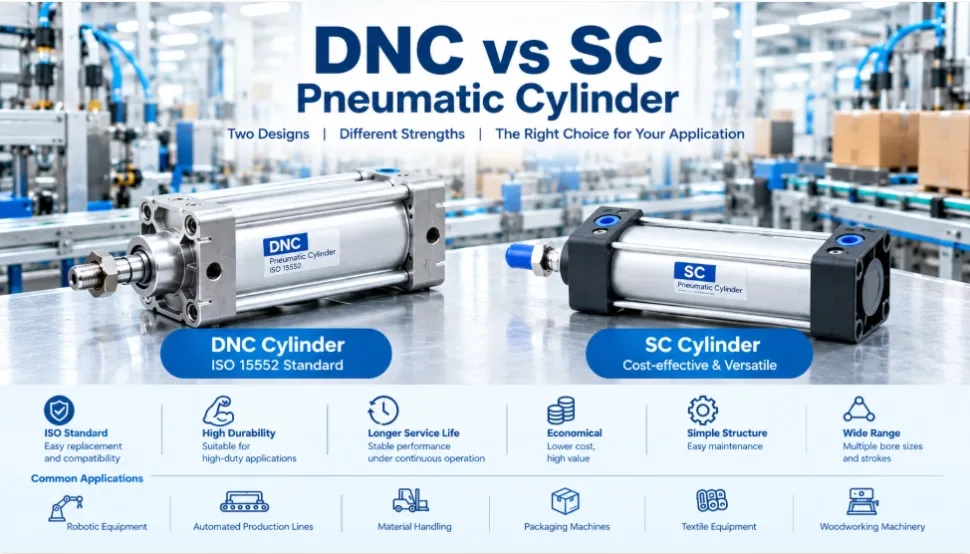
Pneumatic cylinders provide the linear motion required for many assembly operations. They are commonly used for pushing, clamping, lifting, positioning, pressing, and transferring parts between stations. Compared with electric actuators, pneumatic cylinders are often preferred because they have a simple structure, respond quickly, and perform reliably in continuous production environments. They are also easy to maintain, making them a practical choice for factories operating around the clock.
Different assembly tasks require different types of cylinders. Standard cylinders are suitable for applications with sufficient installation space and longer strokes. Compact cylinders are ideal for machines where space is limited, such as electronic assembly equipment or robotic fixtures. Guided cylinders offer better stability when handling off-center loads, while mini cylinders are often selected for lightweight components and precision assembly.
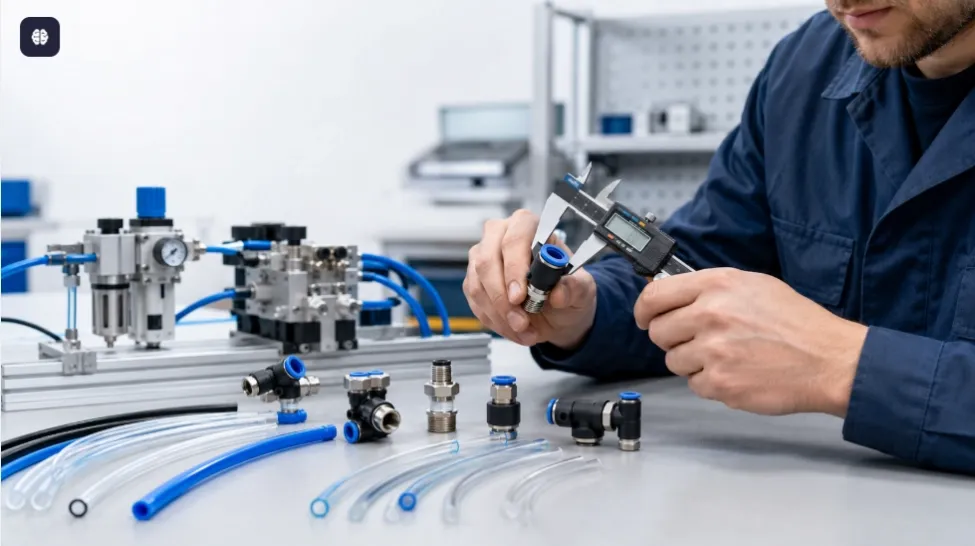
Pneumatic fittings may seem like small accessories, but they are essential to the performance of the entire air system. A high-quality fitting provides a secure, leak-free connection between tubing, valves, cylinders, and other pneumatic devices. Even a minor air leak can reduce system pressure, increase compressor energy consumption, and affect production efficiency.
For automated assembly lines, push-in fittings are widely used because they allow fast installation and easy maintenance. During equipment servicing, technicians can disconnect and reconnect air tubing quickly, reducing machine downtime. Brass nickel-plated fittings are commonly chosen for their corrosion resistance and durability, while engineered plastic fittings offer a lightweight and cost-effective solution for many applications.
Reliability is one of the most important considerations when selecting pneumatic components. Assembly lines often operate continuously for long production shifts, so every component must withstand repeated cycles without performance loss. Cylinders with high-quality seals, precision-machined barrels, and durable pistons typically provide longer service life and more consistent motion. Likewise, fittings manufactured with accurate thread dimensions and strong locking mechanisms help prevent air leakage and ensure secure tube connections.
Another important factor is compatibility. Cylinders, valves, fittings, tubing, and air preparation units should work together as a complete pneumatic system. Selecting components from compatible specifications helps maintain stable airflow, accurate pressure control, and smooth actuator movement. Proper sizing of tube diameters and fitting threads also contributes to overall system efficiency.
Many equipment manufacturers also require customized pneumatic solutions. OEM suppliers can provide cylinders with special stroke lengths, mounting options, magnetic pistons, or customized end covers. Pneumatic fittings can also be supplied with different thread standards, including G, PT, NPT, or metric threads, making them suitable for machines sold in different international markets.
In addition to product quality, consistent supply and technical support are becoming increasingly important. Machine builders need suppliers who can respond quickly to engineering changes, deliver stable quality from batch to batch, and provide reliable lead times. A supplier with strong manufacturing capability and strict quality control can help reduce production risks and support long-term business growth.
As manufacturing continues to move toward smarter and more automated production, dependable pneumatic cylinders and fittings remain fundamental components of every efficient assembly line. Investing in high-quality pneumatic products not only improves machine performance but also reduces maintenance costs, minimizes unexpected downtime, and increases the overall productivity of modern industrial automation.