
Oct 18, 2026pneumatic fittings

PC vs PL vs PV Pneumatic Fittings: Which One Should You Choose?

PC, PL, and PV pneumatic fittings each serve a different purpose.
38317508-e172-4767-8a61-173af8ed2961
PC vs PL vs PV Pneumatic Fittings: Which One Should You Choose?
Selecting the correct pneumatic fitting is just as important as choosing the right cylinder or valve. A fitting that matches the application helps prevent air leaks, reduces installation time, and improves the reliability of the entire pneumatic system.
Among the most commonly used push-in fittings are PC, PL, and PV types. Although they all perform the same basic function—connecting pneumatic tubing—they are designed for different installation environments. Understanding their differences makes it much easier to choose the right fitting for your equipment.

What is a PC Pneumatic Fitting?

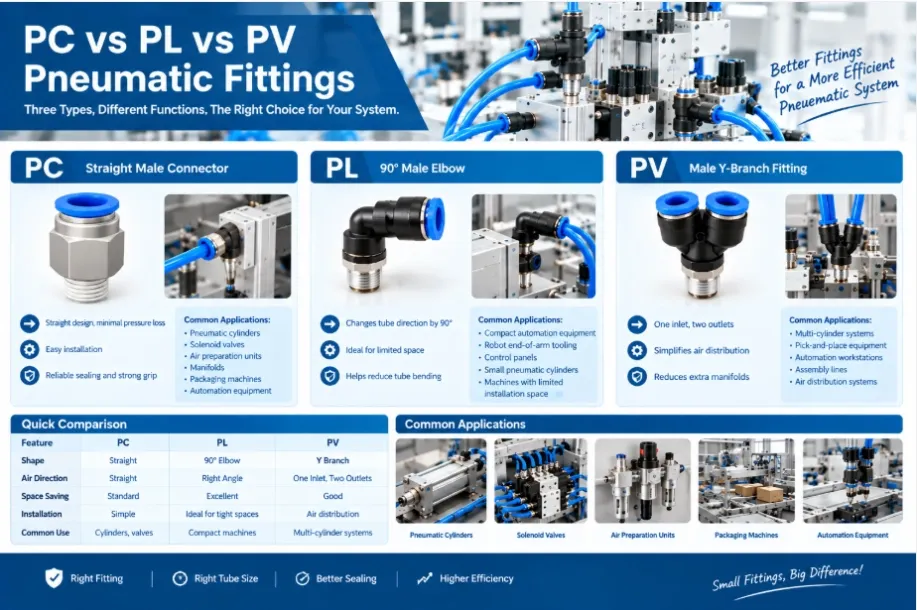
PC fitting is a straight male connector. One side connects directly to the threaded port of a cylinder, solenoid valve, FRL unit, or manifold, while the other side accepts a pneumatic tube.
Because of its straight design, the PC fitting offers excellent airflow with minimal pressure loss. It is also the easiest type to install when the tubing can run directly into the component.
Typical applications include:
  • Pneumatic cylinders
  • Solenoid valves
  • Air preparation units
  • Manifolds
  • Packaging machines
  • Automation equipment
If there is enough installation space and the air tube can enter in a straight line, the PC fitting is usually the first choice.

What Is a PL Pneumatic Fitting?

The PL fitting is a 90-degree male elbow fitting. It performs the same function as a PC fitting but changes the direction of the tubing by 90 degrees.
PL fittings are commonly used where installation space is limited or where straight tubing would interfere with nearby components. By routing the tube sideways, they help create a cleaner and more organized pneumatic system.
Common applications include:
  • Compact automation equipment
  • Robot end-of-arm tooling
  • Control panels
  • Small pneumatic cylinders
  • Machines with limited installation space
A PL fitting can also reduce excessive tube bending, helping to extend tube service life.

What is  PV Pneumatic Fitting?

PV fitting is a male Y-branch fitting that divides one air supply into two tube connections. Instead of using a separate manifold, the PV fitting allows one threaded port to feed two pneumatic lines.
This fitting is ideal when multiple actuators or air devices require the same compressed air source.
Typical applications include:
  • Multi-cylinder systems
  • Pick-and-place equipment
  • Automation workstations
  • Assembly lines
  • Air distribution systems
Using a PV fitting can simplify pneumatic piping while reducing the number of additional connectors required.

Key Differences

Feature
PC
PL
PV
Shape
Straight
90° Elbow
Y Branch
Air Direction
Straight
Right Angle
One Inlet, Two Outlets
Space Saving
Standard
Excellent
Good
Installation
Simple
Ideal for tight spaces
Air distribution
Common Use
Cylinders, valves
Compact machines
Multi-cylinder systems

Which Fitting Is Best?

There is no universal "best" fitting. The correct choice depends on your machine layout.
Choose a PC fitting when a straight tube connection is possible and maximum airflow is preferred.
Choose a PL fitting when space is limited or when the tubing needs to turn immediately after leaving the component.
Choose a PV fitting when one air source needs to supply two pneumatic lines without adding extra manifolds.
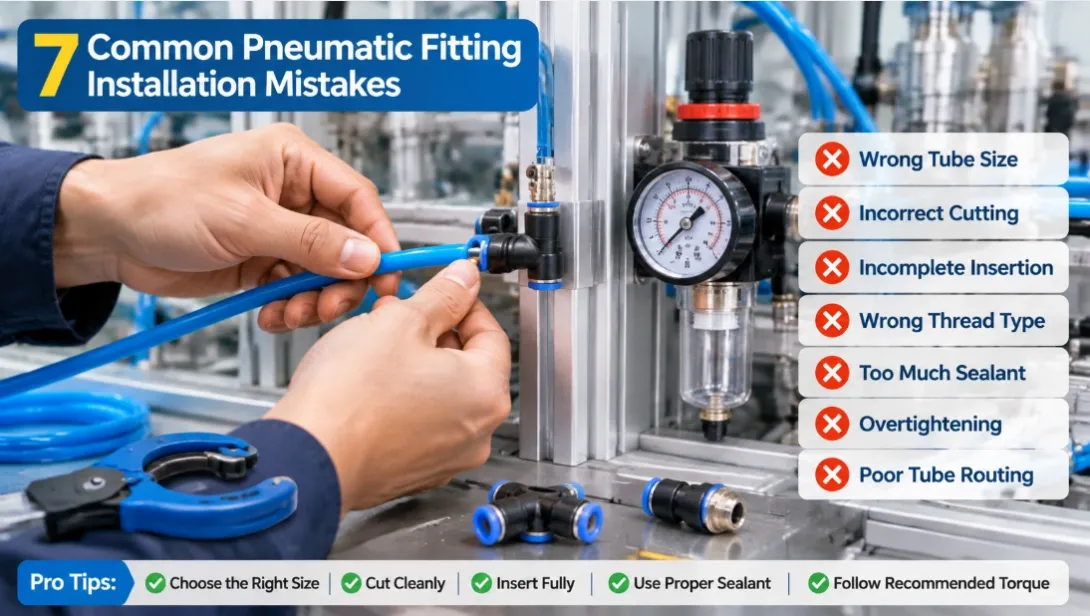
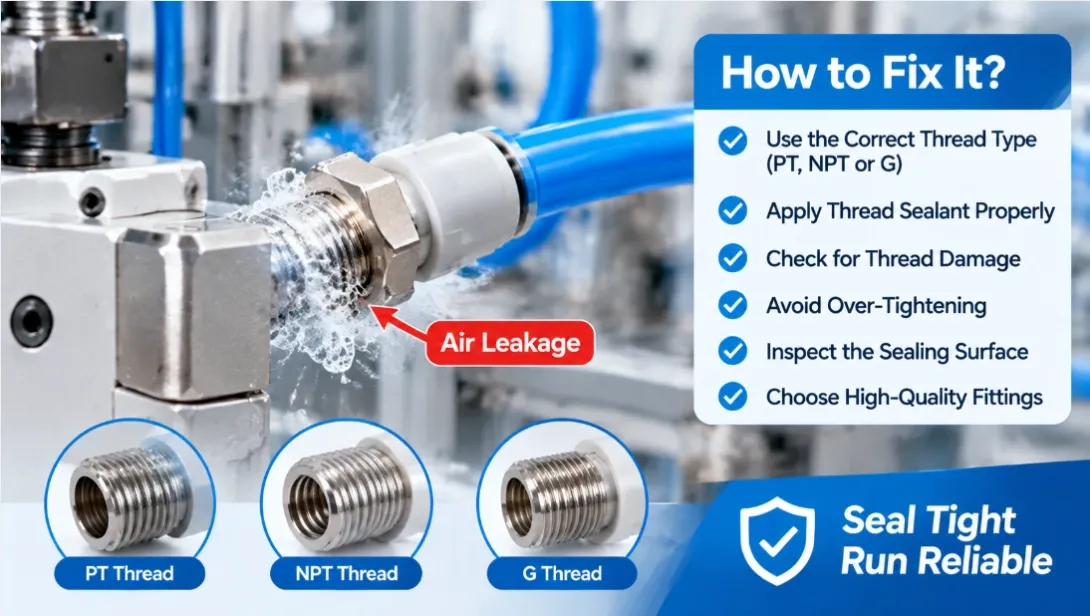
Besides selecting the correct fitting type, pay attention to thread standards such as G, PT, or NPT, as well as the correct tube outside diameter. Matching these specifications ensures a secure seal and reliable long-term performance.

Choosing High-Quality Pneumatic Fittings

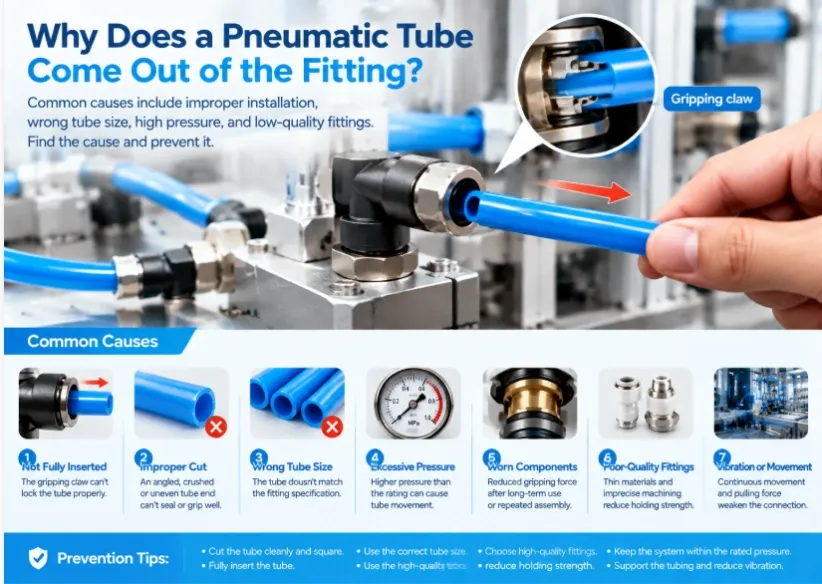
Not all push-in fittings are manufactured to the same standard. A quality fitting should provide a secure tube grip, accurate thread machining, and reliable sealing after repeated installation.
High-quality fittings generally feature:
  • Durable engineering plastic body
  • Nickel-plated brass threaded parts for corrosion resistance
  • Stainless steel gripping claws
  • High-quality sealing rings
  • Stable air-tight performance under continuous operation
For industrial automation, investing in reliable fittings helps reduce maintenance costs, minimize downtime, and improve overall system efficiency.

Conclusion

PC, PL, and PV pneumatic fittings each serve a different purpose. The PC fitting is ideal for straight connections, the PL fitting is designed for right-angle installations in confined spaces, and the PV fitting simplifies air distribution to two pneumatic lines. Understanding these differences allows engineers and equipment builders to design cleaner pneumatic layouts, improve installation efficiency, and achieve long-lasting, leak-free operation.
Read next

Oct 18, 2026pneumatic fittings

PC vs PL vs PV Pneumatic Fittings: Which One Should You Choose?

PC, PL, and PV pneumatic fittings each serve a different purpose.

38317508-e172-4767-8a61-173af8ed2961
PC vs PL vs PV Pneumatic Fittings: Which One Should You Choose?
Selecting the correct pneumatic fitting is just as important as choosing the right cylinder or valve. A fitting that matches the application helps prevent air leaks, reduces installation time, and improves the reliability of the entire pneumatic system.
Among the most commonly used push-in fittings are PC, PL, and PV types. Although they all perform the same basic function—connecting pneumatic tubing—they are designed for different installation environments. Understanding their differences makes it much easier to choose the right fitting for your equipment.

What is a PC Pneumatic Fitting?

PC fitting is a straight male connector. One side connects directly to the threaded port of a cylinder, solenoid valve, FRL unit, or manifold, while the other side accepts a pneumatic tube.
Because of its straight design, the PC fitting offers excellent airflow with minimal pressure loss. It is also the easiest type to install when the tubing can run directly into the component.
Typical applications include:
  • Pneumatic cylinders
  • Solenoid valves
  • Air preparation units
  • Manifolds
  • Packaging machines
  • Automation equipment
If there is enough installation space and the air tube can enter in a straight line, the PC fitting is usually the first choice.

What Is a PL Pneumatic Fitting?

The PL fitting is a 90-degree male elbow fitting. It performs the same function as a PC fitting but changes the direction of the tubing by 90 degrees.
PL fittings are commonly used where installation space is limited or where straight tubing would interfere with nearby components. By routing the tube sideways, they help create a cleaner and more organized pneumatic system.
Common applications include:
  • Compact automation equipment
  • Robot end-of-arm tooling
  • Control panels
  • Small pneumatic cylinders
  • Machines with limited installation space
A PL fitting can also reduce excessive tube bending, helping to extend tube service life.

What is  PV Pneumatic Fitting?

PV fitting is a male Y-branch fitting that divides one air supply into two tube connections. Instead of using a separate manifold, the PV fitting allows one threaded port to feed two pneumatic lines.
This fitting is ideal when multiple actuators or air devices require the same compressed air source.
Typical applications include:
  • Multi-cylinder systems
  • Pick-and-place equipment
  • Automation workstations
  • Assembly lines
  • Air distribution systems
Using a PV fitting can simplify pneumatic piping while reducing the number of additional connectors required.

Key Differences

Feature
PC
PL
PV
Shape
Straight
90° Elbow
Y Branch
Air Direction
Straight
Right Angle
One Inlet, Two Outlets
Space Saving
Standard
Excellent
Good
Installation
Simple
Ideal for tight spaces
Air distribution
Common Use
Cylinders, valves
Compact machines
Multi-cylinder systems

Which Fitting Is Best?

There is no universal "best" fitting. The correct choice depends on your machine layout.
Choose a PC fitting when a straight tube connection is possible and maximum airflow is preferred.
Choose a PL fitting when space is limited or when the tubing needs to turn immediately after leaving the component.
Choose a PV fitting when one air source needs to supply two pneumatic lines without adding extra manifolds.
Besides selecting the correct fitting type, pay attention to thread standards such as G, PT, or NPT, as well as the correct tube outside diameter. Matching these specifications ensures a secure seal and reliable long-term performance.

Choosing High-Quality Pneumatic Fittings

Not all push-in fittings are manufactured to the same standard. A quality fitting should provide a secure tube grip, accurate thread machining, and reliable sealing after repeated installation.
High-quality fittings generally feature:
  • Durable engineering plastic body
  • Nickel-plated brass threaded parts for corrosion resistance
  • Stainless steel gripping claws
  • High-quality sealing rings
  • Stable air-tight performance under continuous operation
For industrial automation, investing in reliable fittings helps reduce maintenance costs, minimize downtime, and improve overall system efficiency.

Conclusion

PC, PL, and PV pneumatic fittings each serve a different purpose. The PC fitting is ideal for straight connections, the PL fitting is designed for right-angle installations in confined spaces, and the PV fitting simplifies air distribution to two pneumatic lines. Understanding these differences allows engineers and equipment builders to design cleaner pneumatic layouts, improve installation efficiency, and achieve long-lasting, leak-free operation.


Recommended articles

Guides visitors may want next

Helpful guides, field notes, and stories for choosing with more context.