Jul 20, 2026pneumatic fittings
How to match fittings to your air hose type
how to match fittings to your air hose
How To Match Fittings to Your Air Hose Type
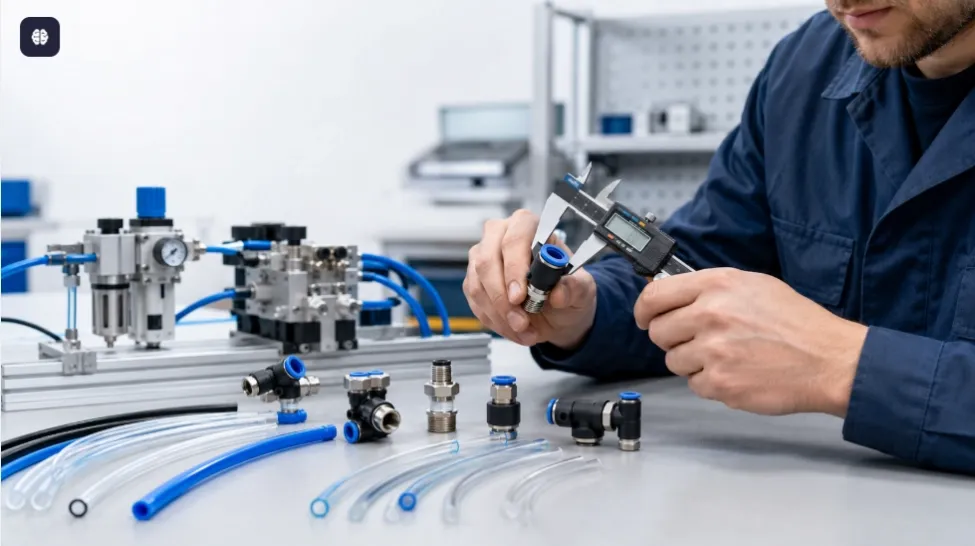
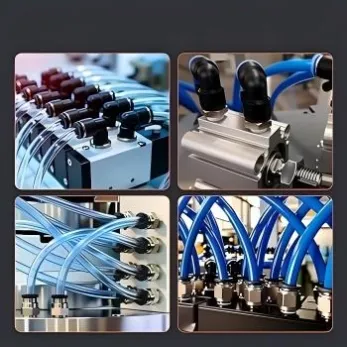
Compressed air systems depend on precise connections to operate efficiently, and choosing the right fitting for your hose plays a major role in system reliability. Understanding how to match fittings to your air hose type helps prevent leaks, maintain airflow, and protect equipment from unnecessary wear.
Whether you work in a manufacturing facility, maintenance shop, or small fabrication space, selecting compatible fittings ensures your air tools and pneumatic systems perform consistently. With several hose materials, connection styles, and pressure requirements available, knowing what to look for makes installation simpler and keeps your compressed air system running smoothly.
Considering Pressure Ratings and Application Demands
Every compressed air system operates within a certain pressure range, and both the hose and the fittings must support that pressure safely. Fittings carry pressure ratings that indicate the maximum pressure they can withstand. Selecting fittings with a lower rating than the hose or compressor can lead to premature failure.
Industrial environments often expose pneumatic components to vibration, heat, and frequent use. In these situations, durable metal fittings typically provide better long-term reliability than lighter-duty alternatives.
Certain applications may also require specialized fittings designed to meet regulatory standards. For example, transportation and mobile pneumatic systems frequently use DOT-rated fittings designed to handle vibration and varying environmental conditions. Matching fittings to the hose type and to the demands of the application ensures the connection remains reliable under real operating conditions.
Preventing Air Leaks and Connection Failures
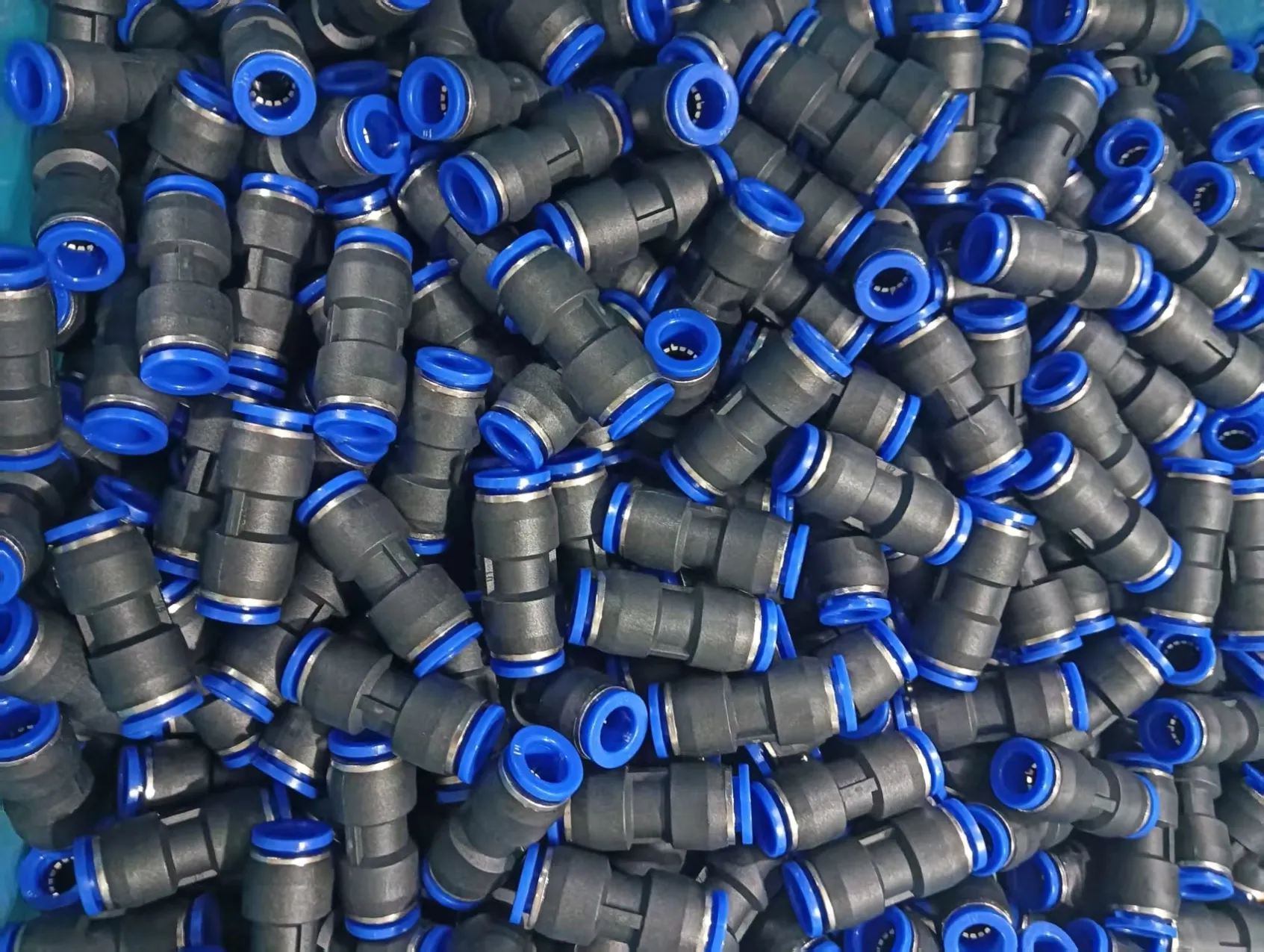
Air leaks remain one of the most common problems in compressed air systems, and mismatched fittings often cause them. Even minor leaks can significantly impact system efficiency over time. Properly matched fittings create a consistent seal between the hose and the connection point. This seal prevents compressed air from escaping while maintaining stable system pressure.
Installation also plays an important role. Applying the correct sealing method and tightening fittings properly ensures the connection remains secure during operation. Routine inspection helps identify worn fittings or damaged hoses before they lead to larger issues. Replacing components promptly helps maintain system performance and avoid downtime. When fittings match the hose correctly, the system operates more efficiently and requires less maintenance overall.
Choosing the Right Fittings for Reliable Pneumatic Performance
Understanding how to match fittings to your air hose type helps ensure your compressed air system operates safely, efficiently, and reliably. By considering hose material, inner diameter, thread compatibility, and pressure requirements, you can select fittings that create secure connections and maintain consistent airflow. Properly matched components reduce leaks, protect equipment, and simplify installation and maintenance across a wide range of pneumatic applications.
For professionals who rely on dependable pneumatic connections, PneumaticPlus offers a wide range of durable and precision-engineered fittings designed for industrial and commercial use. Our selection includes standard pneumatic fittings as well as DOT fittings that meet demanding application requirements. With high-quality components built for performance and reliability, PneumaticPlus provides the solutions needed to keep compressed air systems operating at peak efficiency.