Jul 28, 2026pneumatic fittings
How to Choose a reliable Pneumatic Components Supplier
Here are the key factors to consider when selecting pneumatic components supplier
How to Choose a reliable Pneumatic Components Supplier
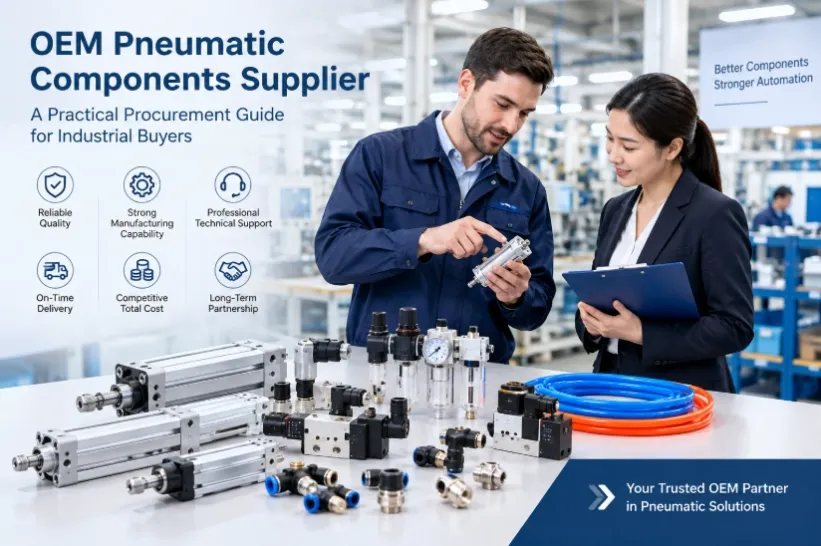
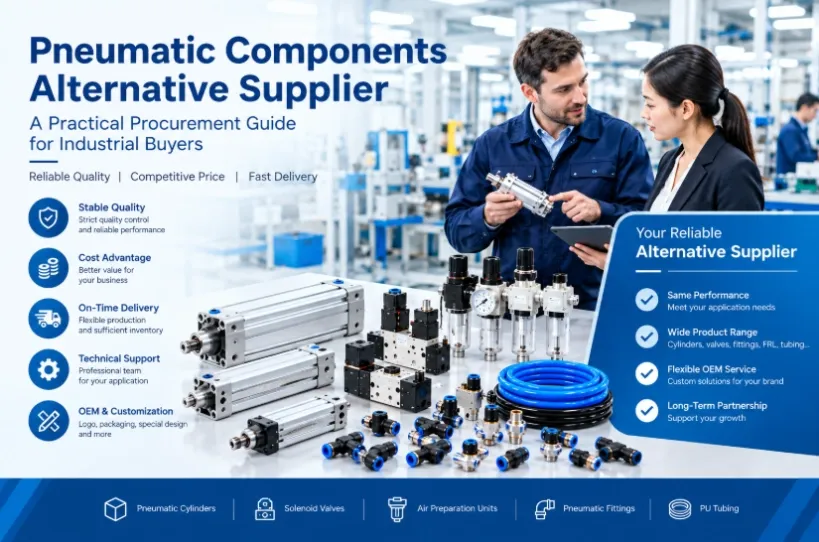
Choosing the right pneumatic components supplier is an important decision for distributor, or automation equipment builder. Pneumatic systems are widely used in packaging, assembly, material handling, food processing, automotive production, and many other industries. The performance of fittings, valves, cylinders, air preparation units, and tubing directly affects machine reliability, maintenance costs, and production efficiency.
Here are the key factors to consider when selecting a pneumatic components supplier.
1. Evaluate Product Quality and Consistency
Quality should always come first. A good supplier provides products that perform reliably over time—not only in a sample test, but across repeated orders.
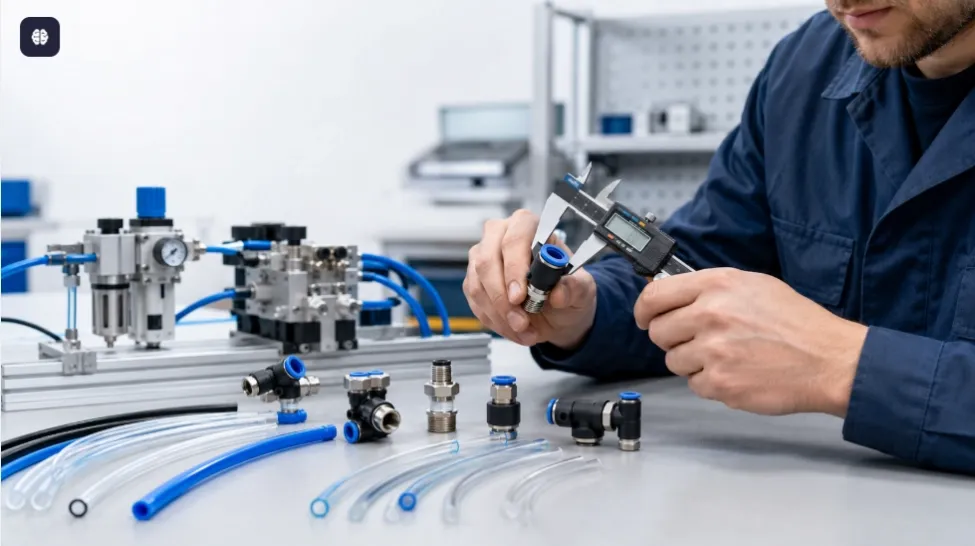
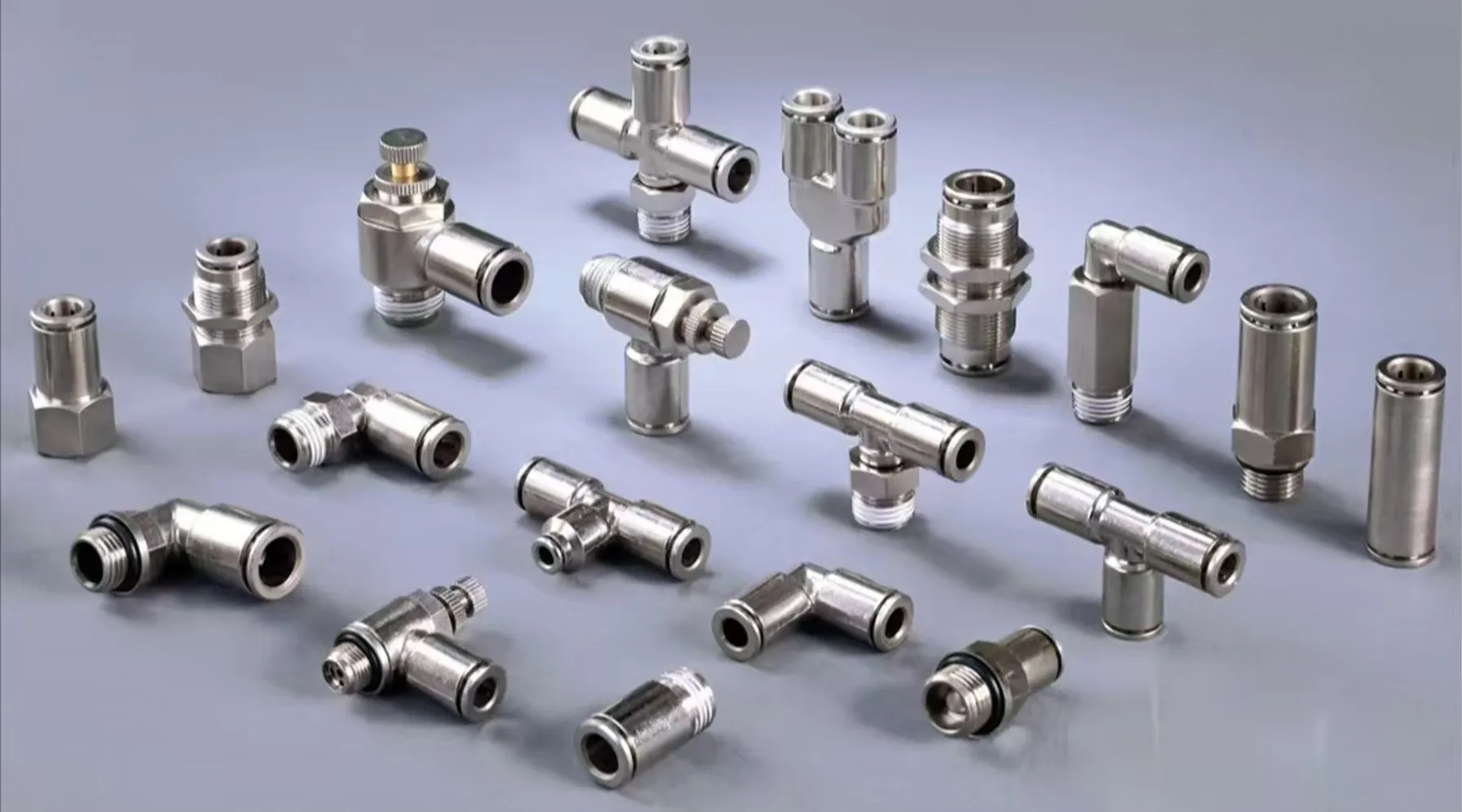
For pneumatic fittings, look for durable materials, accurate thread machining, stable sealing performance, and resistance to corrosion. For example, nickel-plated metal bodies help improve corrosion resistance, while pre-applied sealant on R and NPT threads can simplify installation and reduce the risk of leakage. G-thread fittings with O-ring seals also provide dependable sealing performance.
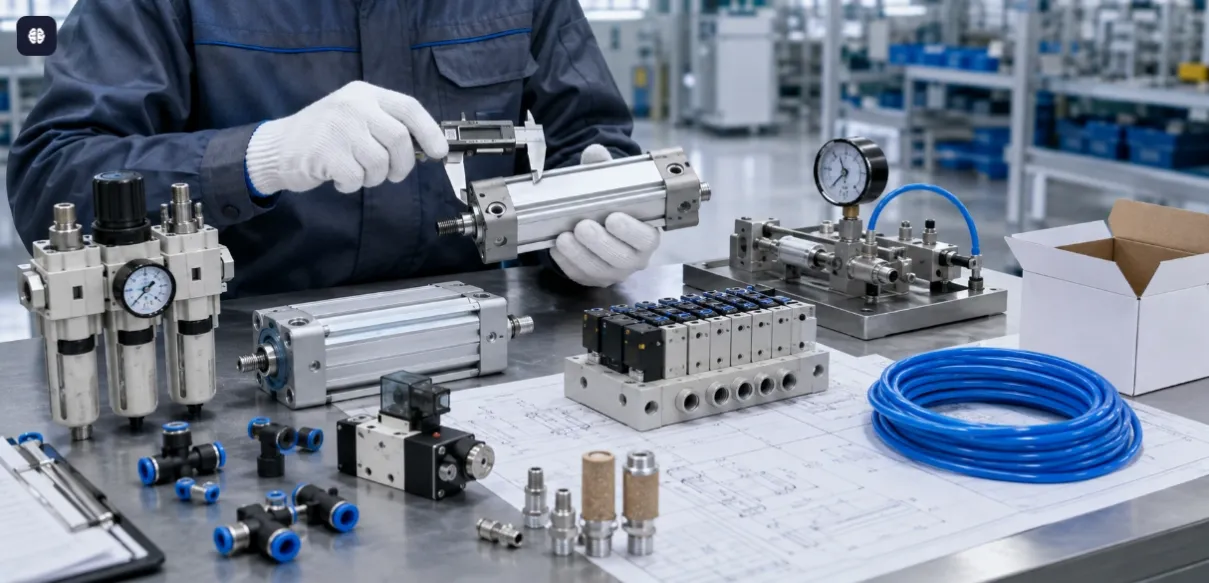
Ask whether the supplier carries out pressure tests, leakage tests, material inspections, and final product checks before shipment.
2. Check the Range of Products
A supplier with a complete product range can save you time and simplify purchasing. Instead of managing separate suppliers for fittings, cylinders, solenoid valves, FRL units, tubing, and accessories, you may be able to source more items from one reliable partner.
A strong pneumatic supplier should offer a wide choice of sizes, thread types, tube diameters, and connection styles. This is especially valuable when your customers or machines use different standards, such as metric, G, R, NPT, or BSP threads.
3. Confirm Technical Support and Product Knowledge
Pneumatic components may look simple, but choosing the wrong product can cause air leakage, pressure loss, installation problems, or premature failure.
A dependable supplier should be able to help with product selection, technical specifications, operating pressure, temperature range, compatible tubing, and suitable materials. They should also respond clearly to questions about drawings, samples, and replacement parts.
Technical support is particularly important when you need customized products or are developing a new machine.
4. Consider Customization Capability
Not every application can use a standard product. You may need special thread sizes, custom packaging, laser marking, different colors, private labels, or products designed for specific pressure and temperature requirements.
A capable supplier should be open to discussing OEM and ODM requirements. Before placing a large order, ask about minimum order quantities, tooling costs, sample lead times, and the process for approving customized designs.
5. Review Production Capacity and Lead Time
Reliable delivery is just as important as reliable quality. Production delays can affect your own customers and disrupt manufacturing schedules.
Ask the supplier about normal lead times, stock availability, monthly production capacity, and how they manage urgent orders. A professional supplier should provide realistic delivery estimates and communicate early if there is a potential delay.
For long-term cooperation, it is also useful to ask whether the supplier can maintain stable supply for frequently ordered items.
6. Compare Value, Not Only Price
The lowest price is not always the best choice. Very low-cost pneumatic components may have inconsistent dimensions, poor sealing, inferior materials, or short service life. These problems can lead to more maintenance, customer complaints, and costly downtime.
Instead of comparing unit prices alone, consider the total value: product quality, service life, packaging, technical support, delivery reliability, and after-sales service. A supplier that offers stable quality can help reduce your overall operating cost.
7. Inspect Communication and Service
Good communication is the foundation of successful international business. A professional supplier should reply promptly, provide accurate product information, prepare clear quotations, and keep you updated about order progress.
Pay attention to how the supplier handles small questions before you place an order. Their responsiveness at this stage is often a good indicator of how they will support you after the sale.
Conclusion
A good pneumatic components supplier is more than a seller of parts. The right partner provides consistent quality, a broad product range, technical knowledge, customization options, reliable delivery, and responsive service.
Before making a decision, request samples, review specifications, test product performance, and communicate openly about your needs. Taking time to evaluate a supplier carefully will help you build a more reliable supply chain and deliver better solutions to your customers.